


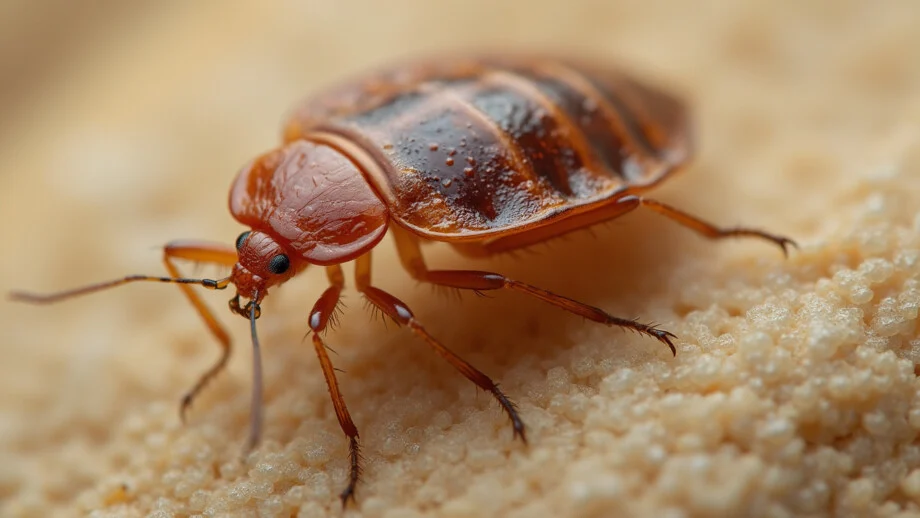
Bed bugs are among the most persistent and frustrating household pests. Once they infest a property, they multiply quickly, hide in hard-to-reach areas, and can survive for months without feeding. Because of this, professional pest control companies increasingly recommend bed bug heat treatment as one of the most effective eradication methods available today.
If you are planning a heat treatment or writing about pest control solutions, understanding how the process works and how to prepare properly is essential. This guide explains everything homeowners, tenants, and property managers need to know about heat treatment for bed bugs, including preparation steps, effectiveness, safety considerations, and complementary methods like steam treatment for bed bugs.
What Is Bed Bug Heat Treatment?
Bed bug heat treatment is a professional pest control method that raises the temperature of an infested area to levels lethal to bed bugs, their eggs, and nymphs. When temperatures exceed roughly 56°C, bed bugs cannot survive, as heat destroys their internal protein structure and eggs.
Unlike chemical treatments that may require repeated applications, heat treatment targets all life stages in a single process and can significantly reduce infestation levels after one visit.
This method is particularly useful when:
- Chemical treatments have failed
- Occupants are sensitive to pesticides
- Rapid eradication is needed
- Infestation is widespread
Why Heat Treatment Is So Effective
Traditional pest control often struggles to reach bed bugs hidden deep inside:
- Mattress seams
- Furniture joints
- Electrical sockets
- Floorboards and wall voids
Heat penetrates these areas more effectively than surface treatments. During a full treatment, technicians raise room temperatures gradually so heat spreads evenly through walls, furniture, and fabrics, eliminating insects in concealed spaces.
Another advantage is that heat treatment works without relying solely on chemicals, making it suitable in situations where pesticide exposure must be minimized.
Different Types of Heat Treatment for Bed Bugs
Not all heat treatments are the same. Pest control professionals may use several techniques depending on the situation.
- Full Room Heat Treatment
This method heats an entire room or property for several hours, allowing heat to penetrate deep into structural materials and furnishings.
It is the most comprehensive approach and is often recommended for moderate to severe infestations.
- Heat Tents and Heat Pods
Heat tents are portable chambers used to treat:
- Luggage
- Mattresses
- Sofas
- Clothing
These are ideal when only specific items are infested or as part of a larger treatment plan.
- Steam Treatment for Bed Bugs
Steam treatment involves applying superheated steam to surfaces, seams, and crevices where bed bugs hide. Professional steam machines produce dry steam at very high temperatures to kill insects on contact.
Steam is particularly useful for:
- Upholstery
- Mattress seams
- Carpets
- Baseboards
However, steam alone may not reach deeply hidden bugs, so it is often combined with other methods.
How to Prepare for Bed Bug Heat Treatment
Preparation plays a critical role in the success of heat treatment. Proper preparation ensures:
- Maximum heat penetration
- Reduced risk of damage
- Better long-term results
Below are essential preparation steps.
Step 1: Remove Heat-Sensitive Items
High temperatures can damage certain materials. Before treatment, remove:
- Electronics (TVs, computers, gaming consoles)
- Cosmetics and perfumes
- Medications
- Plants and pets
- Wax items and candles
These items are vulnerable to heat exposure and should be placed in rooms that will not be treated.
Step 2: Clear Clutter and Waste
Clutter reduces airflow and prevents heat from reaching hidden areas. It is recommended to:
- Remove rubbish
- Vacuum floors and carpets
- Reduce unnecessary items
This helps ensure the treatment is effective and hygienic.
Step 3: Protect Valuables
Items such as:
- Family photos
- Artwork
- Important documents
should be removed or stored safely to prevent damage. Flammable items and aerosols should also be removed for safety reasons.
Step 4: Avoid Moving Furniture Excessively
Many people assume they should move or rearrange furniture before treatment, but this can actually spread bed bugs or push them into deeper hiding places. It is generally best to leave items in place unless instructed otherwise by a pest control professional.
Step 5: Inform the Pest Control Technician
It is important to inform technicians about:
- Antique furniture
- Laminated materials
- Built-in electronics
- Wallpaper or delicate finishes
These materials may react differently to heat and may need protection.
What Happens During the Treatment?
On the day of treatment, technicians typically:
- Set up industrial heaters and fans
- Monitor temperature levels throughout the property
- Maintain lethal temperatures for several hours
- Treat specific areas with steam if necessary
Heat is circulated to ensure uniform coverage, and temperature sensors are used to confirm that lethal levels are reached in all areas.
How Long Does Bed Bug Heat Treatment Take?
Most full treatments take:
- 6 to 10 hours for preparation, heating, and cooling
- Follow-up visits may occur within two weeks
Some pest control companies combine heat treatment with targeted chemical or organic treatments to eliminate any remaining insects.
Is Heat Treatment Safe?
When performed by trained professionals, heat treatment is considered safe. However, precautions must be taken to prevent damage to:
- Plastics
- Electronics
- Laminated surfaces
Some materials may soften or warp if exposed to high temperatures for long periods.
This is why proper preparation is critical.
What Kills Bed Bugs Instantly?
Bed bugs die quickly when exposed to high temperatures. Research and field experience show that exposure to temperatures above 56°C for even a short period is lethal to all life stages, including eggs.
This makes heat one of the fastest and most reliable eradication methods available.
Common Mistakes to Avoid
Homeowners often make preparation mistakes that reduce effectiveness:
Removing Too Many Items
Removing belongings unnecessarily may spread bed bugs to other areas.
DIY Chemical Treatments
Improper pesticide use may lead to resistance and make infestations harder to control.
Attempting Improvised Heat Methods
Using ovens or heaters without professional guidance can be dangerous and ineffective.
Cost of Bed Bug Heat Treatment
Heat treatment is generally more expensive than chemical methods because it:
- Requires specialized equipment
- Takes longer to perform
- Involves trained technicians
However, many homeowners find it cost-effective because it often eliminates infestations faster and reduces the need for repeated treatments.
Advantages of Heat Treatment
Here are the key benefits:
- Kills eggs, nymphs, and adults
- Works in a single treatment in many cases
- Penetrates furniture and walls
- Reduces chemical exposure
- Provides rapid results
These advantages make heat treatment one of the most recommended professional solutions.
Steam Treatment for Bed Bugs: When It’s Useful
Steam treatment is particularly effective for:
- Mattresses
- Upholstery
- Carpets
- Baseboards
Steam kills bed bugs on contact and can be used as a supplementary treatment after heat or chemical methods.
However, steam requires careful application and may increase humidity if overused, so professional equipment is recommended.
What to Expect After Treatment
After heat treatment:
- You may notice dead insects in treated areas
- Rooms may feel warm for several hours
- Some follow-up inspections may be scheduled
It is important to follow all instructions provided by the pest control company to prevent reinfestation.
Preventing Future Bed Bug Infestations
Once treatment is complete, prevention becomes the priority.
Inspect Second-Hand Furniture
Always inspect furniture before bringing it indoors.
Use Protective Mattress Covers
Encasements prevent bed bugs from hiding in mattresses.
Vacuum Regularly
Frequent cleaning helps detect early infestations.
Be Careful When Traveling
Bed bugs often spread through luggage and clothing.
Signs You May Need Heat Treatment
Consider professional treatment if you notice:
- Bite marks on skin
- Dark spots on bedding
- Shed skins or eggs
- Live insects in seams or cracks
Early detection reduces treatment time and cost.
Why Professional Treatment Is Recommended
Professional pest control companies:
- Use calibrated equipment
- Monitor temperatures precisely
- Identify hidden infestation zones
- Apply integrated treatment methods
This ensures effective eradication and minimizes risk to property and occupants.
Final Thoughts
Bed bug infestations can be stressful, but modern pest control methods offer effective solutions. Bed bug heat treatment remains one of the most reliable ways to eliminate infestations quickly and thoroughly.
Proper preparation, professional expertise, and follow-up inspections are essential to achieving long-term results. By understanding the process and following recommended preparation steps, homeowners can maximize treatment success and restore their living space with confidence.
